ServicesGrading
Grading in Gastonia
We shape the ground around your home or new build so water runs away from the foundation, not toward it. Each job is planned for dry weather, compacted in lifts and finished with a stable surface before the next round of heavy rain.
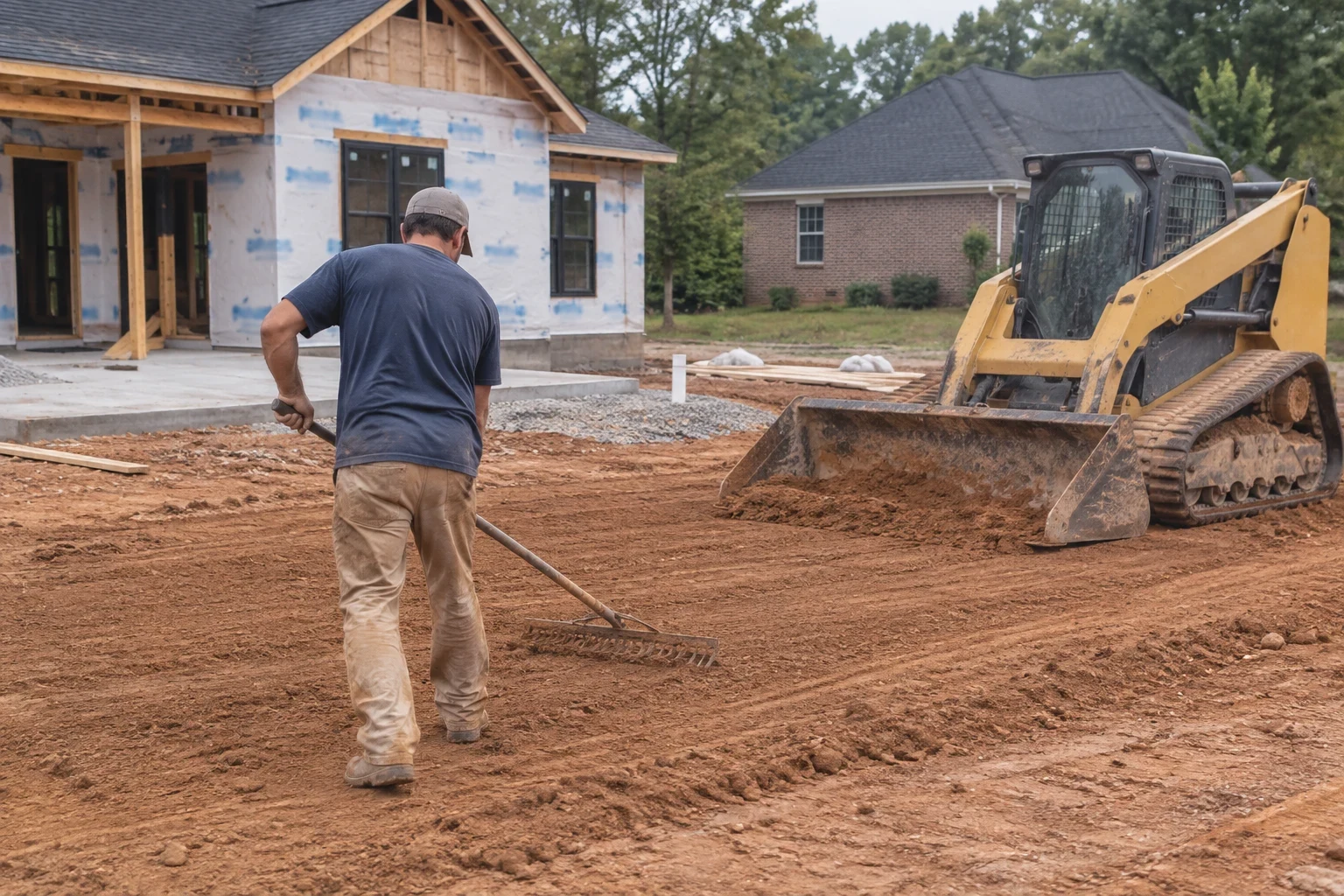
What grading does for your property
Grading means moving and shaping soil so the land sheds water correctly. For a new home, it creates the pad the foundation rests on. Around an existing house, it fixes low spots, flat yards and dirt that has slumped back against the walls over time.
Most ground in this area is red Piedmont clay. Dry, it packs hard; wet, it gets slick and heavy and holds water against whatever it touches. That's why a few inches of slope make such a difference. The common goal is about six inches of drop across the first ten feet from the foundation, followed by a route that carries the water on off the lot.
We schedule grading with the weather in mind. Clay worked in a dry spell compacts well and holds its shape. Clay shoved around during a rainy week smears, ruts and sinks afterward. Finishing in late spring or early fall leaves your yard prepared for summer storms or winter rain rather than playing catch-up.
What our grading work includes
- Site walk and drainage read
- We walk the lot with you and look at where water comes from, where it collects and where it can leave. We note downspout outlets, neighboring slopes and any spots where soil sits against siding.
- Rough grading
- Bulk soil is cut from high areas and moved to low ones to set the overall shape. On a new lot this follows land clearing and prepares the building pad for foundation work.
- Compaction in lifts
- Fill is placed in thin layers and compacted one layer at a time. Dumping a single deep pile and running over it leaves soft soil underneath that sinks after the first wet season.
- Swales and drainage paths
- Where a yard needs to carry water around the house, we shape shallow swales that move it toward the street or a safe outlet. They are gentle enough to mow and look like part of the lawn.
- Finish grading
- The final surface is smoothed, raked and set to the planned slope, ready for seed, sod or landscape beds. We check the fall with a level rather than by eye.
- Erosion control
- Bare clay washes quickly in a summer downpour. We use silt fence or straw where it is needed until grass or cover takes hold.
Signs your yard needs grading
Puddles beside the foundation
When water stands against the house for a day or longer after a rain, the ground is either flat or pitched toward the walls.
A wet crawl space or basement
A musty odor, pooled water or damp framing below the house usually starts with surface water seeping in along the walls.
Dirt piled against the siding
Over time, mulch and settling soil can creep up over the lowest row of siding. That draws rot and insects and hides any damage underneath.
Ruts and gullies in the yard
Grooves carved through the grass after a storm show water moving too quickly with no set path to follow.
Settling or cracks at the slab
Waterlogged clay swells and shrinks as the seasons change. Fresh cracks along the slab edge or doors that start to stick can be an early hint that drainage needs work.
How a grading job runs
- 1
Consultation and plan
We talk through the property by phone, then visit to measure the slopes and mark problem areas. You get a clear plan showing where soil will be cut, filled and shaped, and how water will leave the lot.
- 2
Scheduling for dry ground
We set the work for a dry window and watch the forecast in the days before. If the soil is too wet to compact, we wait rather than build in a problem.
- 3
Protecting the property
Utilities are located and marked before any digging. We keep machines off finished areas where we can, and protect driveways, walkways and plantings you want to keep.
- 4
Grading and compaction
Soil is moved, placed in lifts and compacted, then the slope is checked against the plan. Most residential yards take a day or a few days depending on size and access.
- 5
Finish and walkthrough
We smooth the surface, put erosion control in place and clean up the work area. Then we walk the lot with you and show you where the water will go in the next storm.
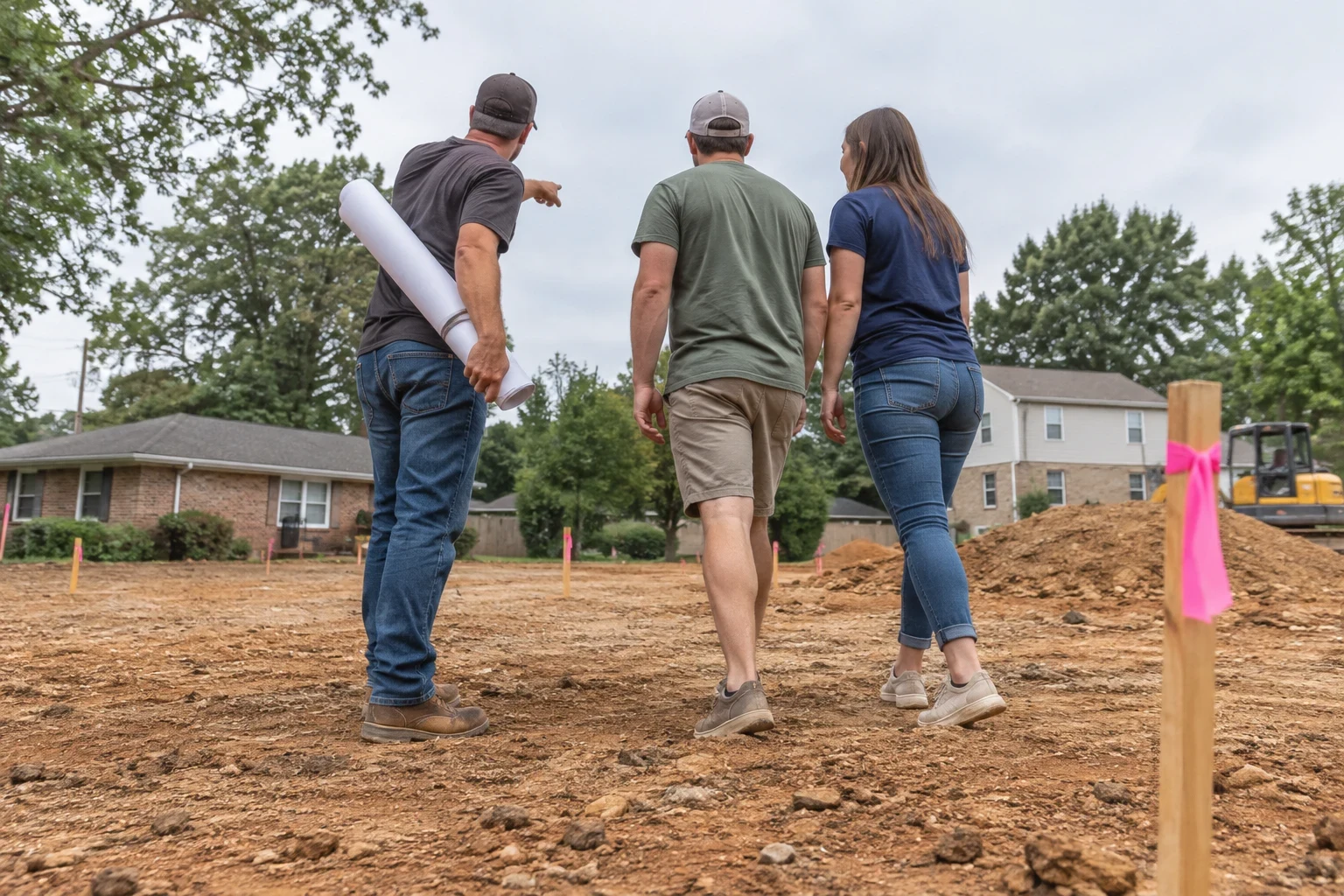
What changes the price of grading
No two lots are alike, so we quote grading only after we've seen the ground. Your estimate is broken down task by task, showing what each piece of the job involves. These factors have the biggest effect.
- How much ground and soil
- Fixing the slope along a single wall is nothing like reshaping a whole yard or building a house pad. Much of the price comes from how much soil gets cut, filled or trucked in.
- Room for machines
- On an open lot, bigger equipment moves the work along quickly. Narrow side yards, fences and large trees can mean smaller machines and more work by hand.
- What the soil is like
- Dense clay, buried rock or leftover construction debris all slow down working and compacting the ground. In some cases fill must be brought in or bad soil carried away.
- Drainage work and final surface
- Swales, erosion control and how finished you want the surface, from rough ground ready for seed to a smooth bed for sod, all shape the scope.
- Permits and erosion control plans
- Disturbing a larger area of ground may call for a local permit or an erosion control plan. If your project reaches that size, we let you know early.
Grading questions we hear often
Something not covered here? (704) 753-8229
When is the best time of year for grading?
Late spring and early fall usually give us the driest, most workable clay. Summer can work between storms, and winter is possible during dry spells. We plan around the forecast so the soil compacts properly and you are ready before the wettest months.
Will grading fix water in my crawl space?
Often it is the biggest part of the fix, because most crawl space water starts as surface water soaking in at the walls. We also look at gutters and downspout outlets, since those can undo good grading. If we see signs of a structural issue, we will tell you and talk through foundation work separately.
Do you grade lots for new homes?
Yes. On a new build, grading follows land clearing and sets the pad and drainage before foundation work begins. Getting this stage right protects everything built on top of it.
Do you work on properties across the state line?
Yes. Lots around Clover and nearby areas are within reach. We work across Gastonia and the surrounding towns such as Belmont, Dallas and Mount Holly as well.
How long until I can seed or lay sod?
Usually right after finish grading is complete. We leave the surface ready for seed or sod and keep erosion control in place until the cover takes hold. Fall is a good time to seed most lawns here.
Will my yard be torn up?
Some disturbance is part of the work, but we keep it to the areas being graded. We protect driveways and plantings you want kept, and we clean up before we leave.
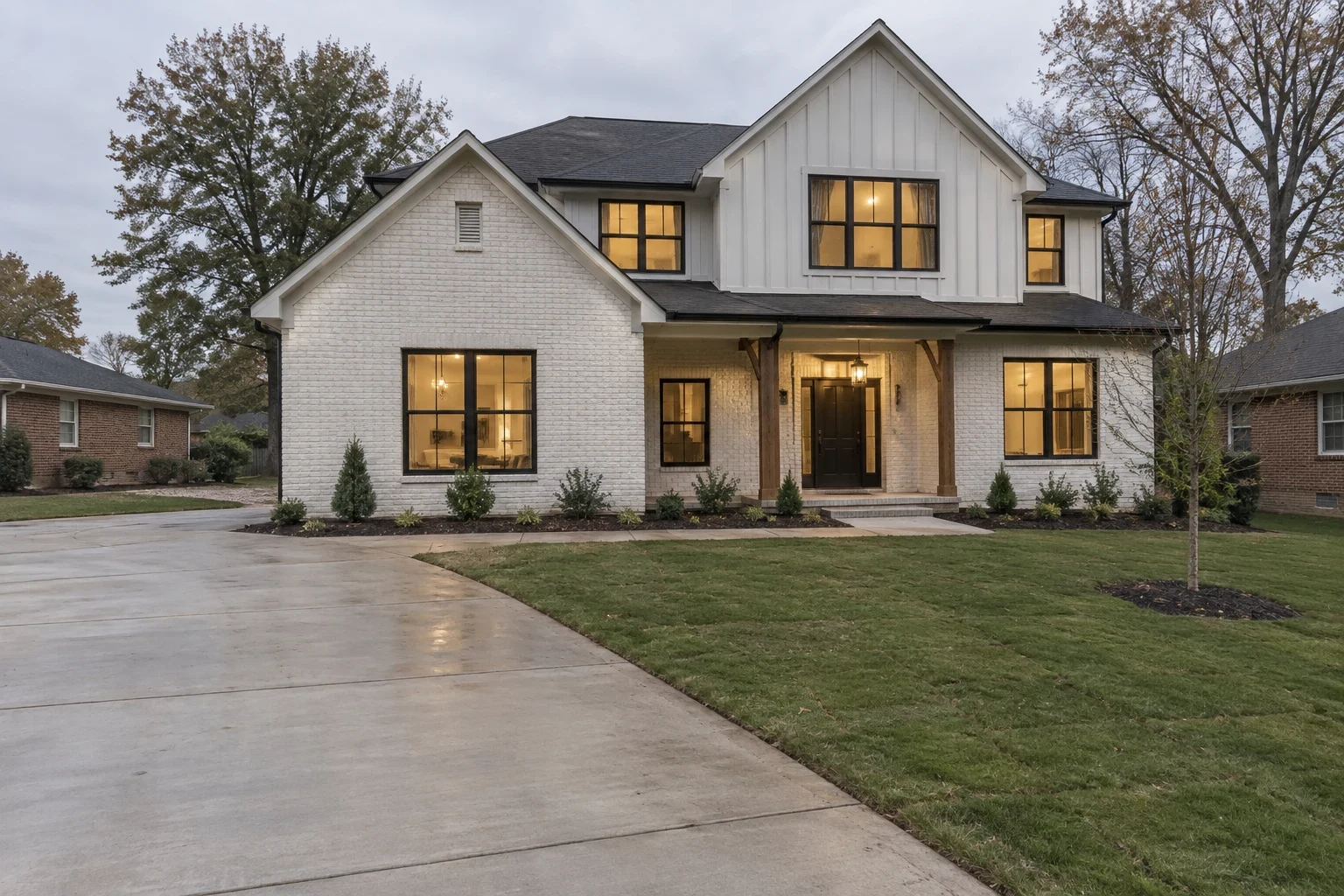
Get your lot ready before the next wet season
Tell us where the water collects and what you hope the yard will do, and we can usually point to the cause in a few minutes. From there we arrange a project consultation on site and schedule the grading for a stretch of dry weather.