ServicesSiding Installation
Siding Installation in Gastonia
We install new siding over walls we have opened, checked and wrapped properly, so the finish looks clean and keeps water out for years. We plan each job around the season, so your exterior is closed up before summer storms or winter cold arrive.
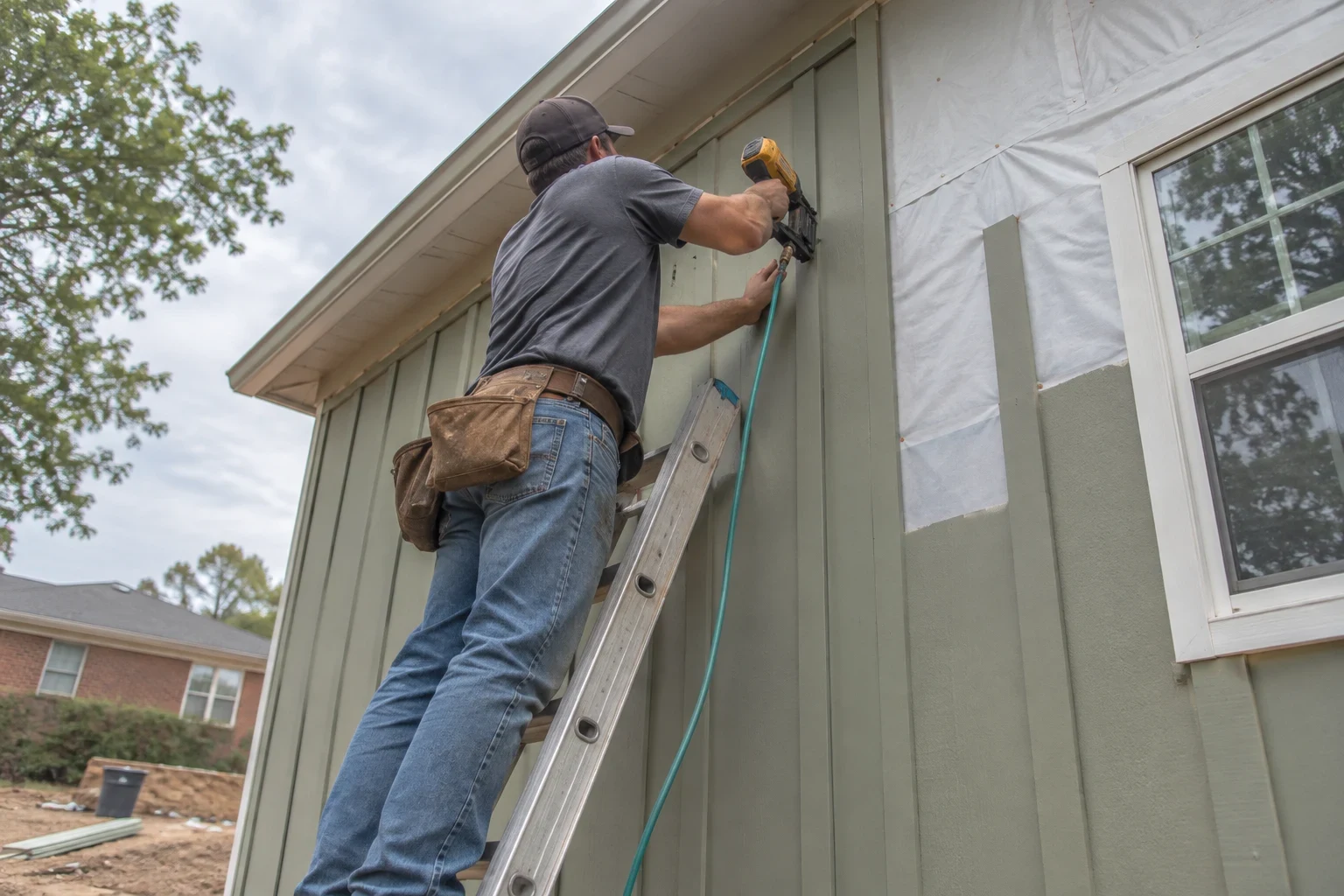
New siding, started from the wall underneath
Siding is the part of a house people see first, but its real work is shedding water. The panels are only one layer. Behind them sit the sheathing, the housewrap and the flashing around every window, door and roofline, and those are where most failures begin.
When we install siding, we remove the old cladding, look at what is underneath and repair it before anything new goes on. Then we choose a material that suits the house and the way you want it to age: vinyl, fiber cement or engineered wood, each with its own trim and fastening details.
Timing matters too. Humid Gastonia summers and the occasional hard freeze both affect how materials cut, fasten and cure, so we schedule the work for weather that lets the finish settle in properly and leaves your walls closed up before the season turns.
What a siding installation includes
Hand removal of old siding
The old siding comes off by hand near windows, doors and fixtures. Scrap goes right into a dumpster, and tarps cover your plantings and walkways.
Checking and fixing the sheathing
With the wall exposed, we look for soft or stained sheathing. You see photos of what turns up, and damaged areas are replaced before new wrap goes on.
Wrap and flashing
A new weather-resistive barrier is overlapped like shingles so water flows down and away. Windows and doors are sealed with flashing tape, and kickout flashing goes wherever a roof edge meets a wall.
Installed to suit each material
Vinyl hangs loosely enough to grow in summer heat. Fiber cement gets its cut edges sealed and proper spacing above the ground and roof. Engineered wood is nailed and gapped to its own requirements.
Trim, soffit and fascia
Corners, window casings, soffit and fascia are built into the job from the start. They decide whether siding looks carefully made or hurried.
Cleanup and final look
A magnet sweep picks up stray nails in the yard, every scrap is hauled away, and we tour the house with you before calling it finished.
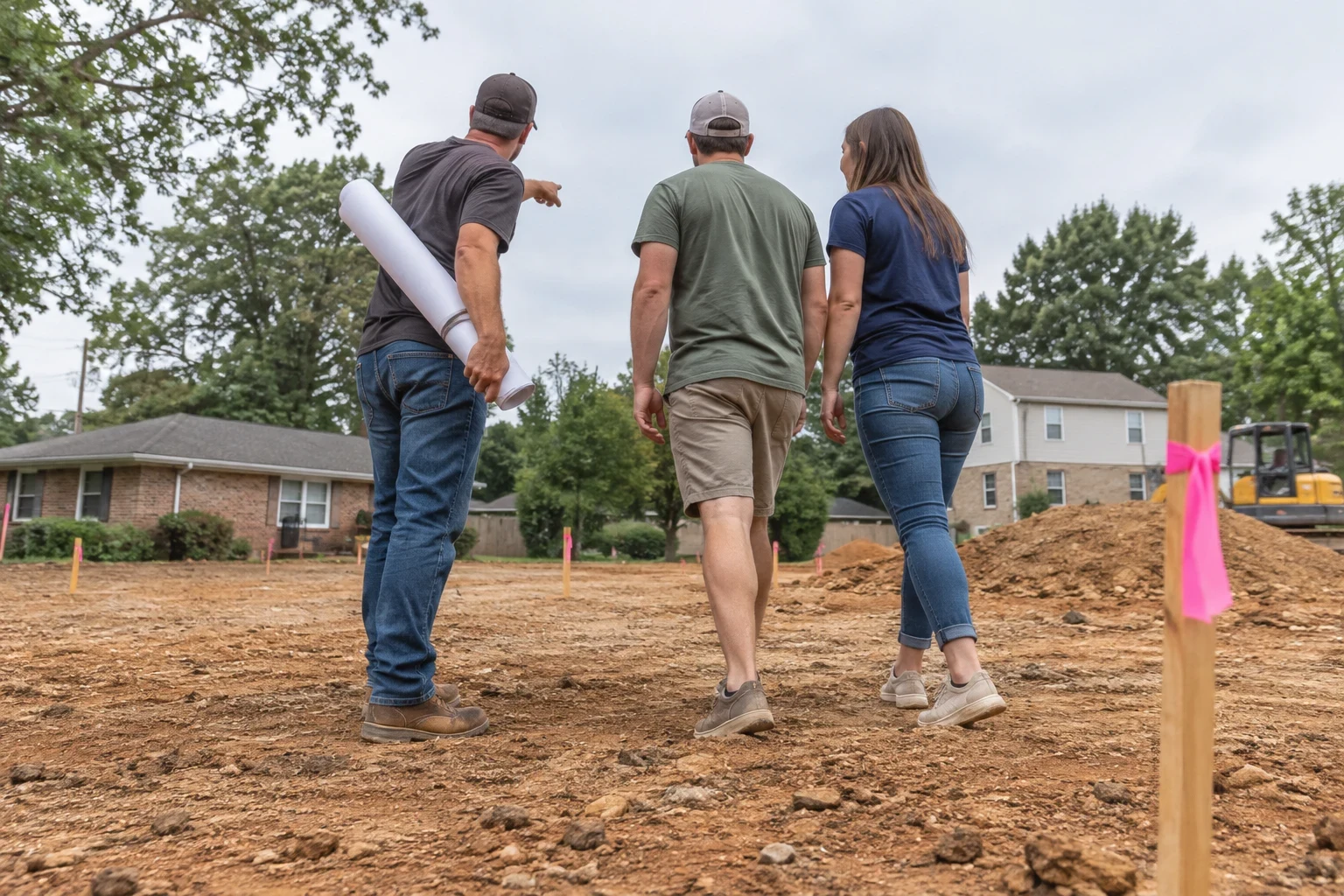
Signs your siding is ready to be replaced
- Panels that wave or bulge
- Rippled or bulging vinyl was usually nailed too tightly to move in the heat. Once bent out of shape, it seldom lies flat again.
- Spongy or swollen spots
- Push on the lowest rows near the ground and around windows. Wood or composite siding that gives under your hand often means water has reached the sheathing behind.
- Streaks under windows and roof edges
- Dark streaks or flaking paint below a window or where roof and wall meet usually mean flashing is missing or has failed.
- Damp or mold indoors
- A musty closet on an outside wall, wet drywall or paint peeling inside can all come from water slipping behind the siding.
- Patching and painting every year
- When the same spots need fixing each spring, new siding often ends up cheaper over time than yet another round of repairs.
How a siding project runs
- 1
Project consultation
We talk through the house, the look you want and your timing by phone, then set a visit to measure and look closely at the existing walls.
- 2
Written estimate and material choice
You get a line-item estimate covering tear-off, materials, trim and any likely sheathing repair. We help you compare siding types honestly, including how each one holds up and what upkeep it needs.
- 3
Scheduling around the weather
We book installation for a stretch of steady weather, ideally spring or fall. That keeps housewrap dry while walls are open and gives paint on fiber cement the conditions it needs to cure.
- 4
Installation, one wall at a time
We open and close the house in sections, so no wall stays exposed overnight when we can help it. You can stay home through the work.
- 5
Final walkthrough
We check every seam, corner and penetration with you, clear the site and leave you with notes on care for your new siding.
What drives the price of new siding
We price your house by its actual walls, not a per-square-foot guess. The written estimate lists each part of the job separately, and we point out from the start which lines depend on what's behind the old siding.
- House size and shape
- It begins with total wall area. Gables, dormers, bump-outs and lots of windows mean more cuts, trim and flashing.
- Which siding you pick
- Vinyl, engineered wood and fiber cement each differ in material price, labor and finishing. Fiber cement that isn't prefinished, for one, has to be painted.
- Shape of the sheathing
- Sheathing that is rotted or water-damaged must be replaced before new siding goes up. We estimate probable repairs ahead of time and confirm them with photos once the wall is exposed.
- How high and how reachable
- Two-story walls, steep ground or narrow side yards can call for scaffolding or more setup, adding time.
- Trim and add-ons
- Replacing soffit, fascia or window casings, or adding accents like shakes or board and batten, changes the scope and the total.
Siding installation questions
- What time of year is best for installing siding?
- Spring and fall are usually the easiest seasons for siding work here. Temperatures are moderate, so vinyl can be cut and hung at a natural length and paint on fiber cement cures well. We do work in summer and winter too, but we plan around storms and hard freezes so walls are never left open in bad weather.
- Can you put new siding over the old siding?
- We generally recommend against it. Covering old siding hides any rot or water damage behind it and makes proper flashing around windows very hard to do right. Taking it off lets us repair the wall and start with a clean, dry surface.
- Which siding material is right for my house?
- It depends on your budget, the style of the house and how much upkeep you want. Vinyl needs little maintenance, fiber cement holds up well to moisture and weather, and engineered wood gives a warm wood look with less weight. We walk through the trade-offs during your consultation.
- What credentials does your company hold?
- We can go over our credentials and how permits and inspections apply to your siding project on the phone during your project consultation.
- Do I need to be home during the installation?
- Not the whole time, but you are welcome to stay. We keep the work moving one side of the house at a time, keep paths clear and check in with you at the end of each day.
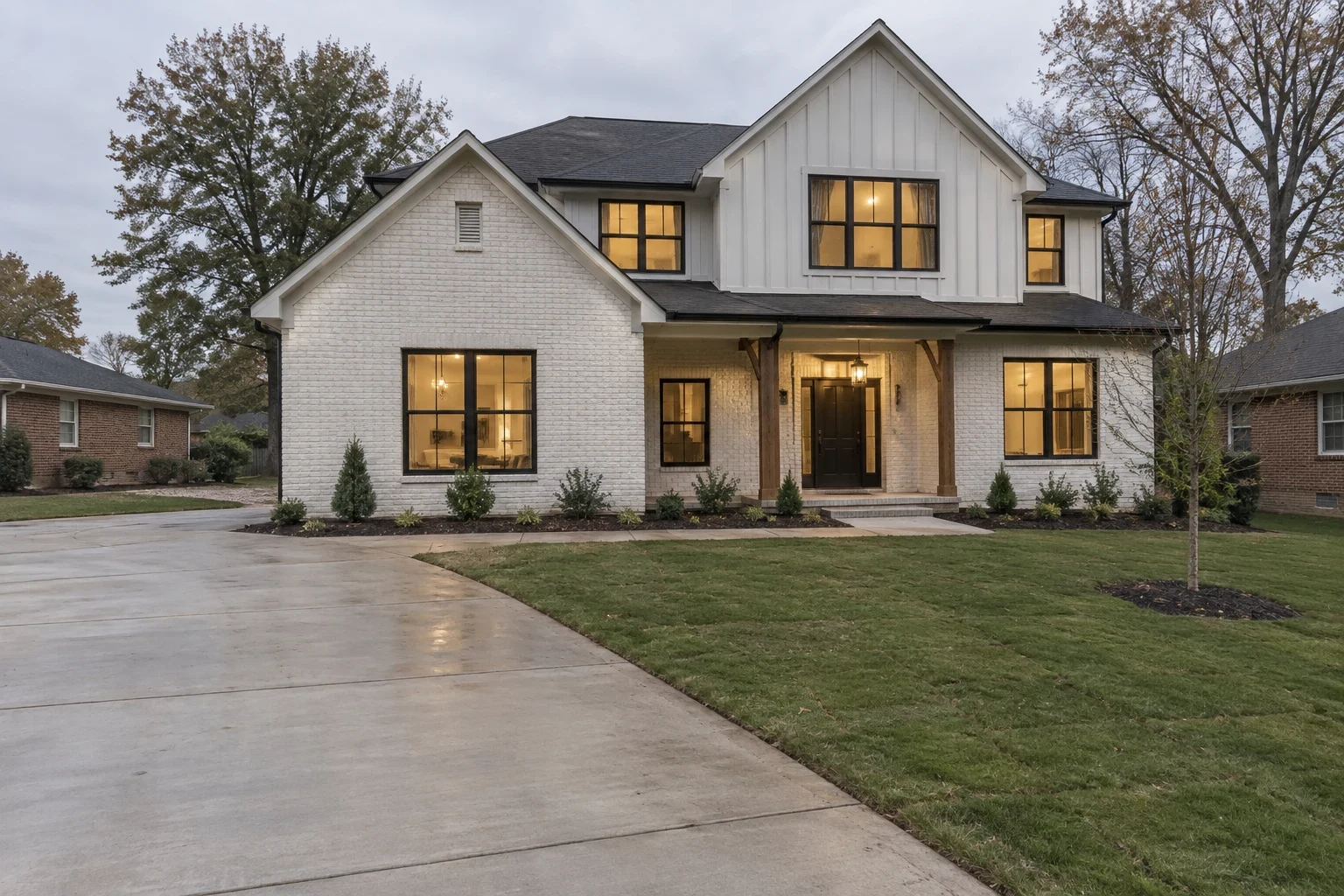
Ready your exterior for the coming season
Let us know about your house and when you'd like the siding done. We'll book a project consultation and time the work around the weather.