ServicesHome Remodeling
Home Remodeling in Gastonia
We remodel kitchens, bathrooms and floor plans, and build room additions that look like they were always part of the house. Work that opens your home to the weather is scheduled for the mild months. Finish work fills the rest of the year, so you stay comfortable.
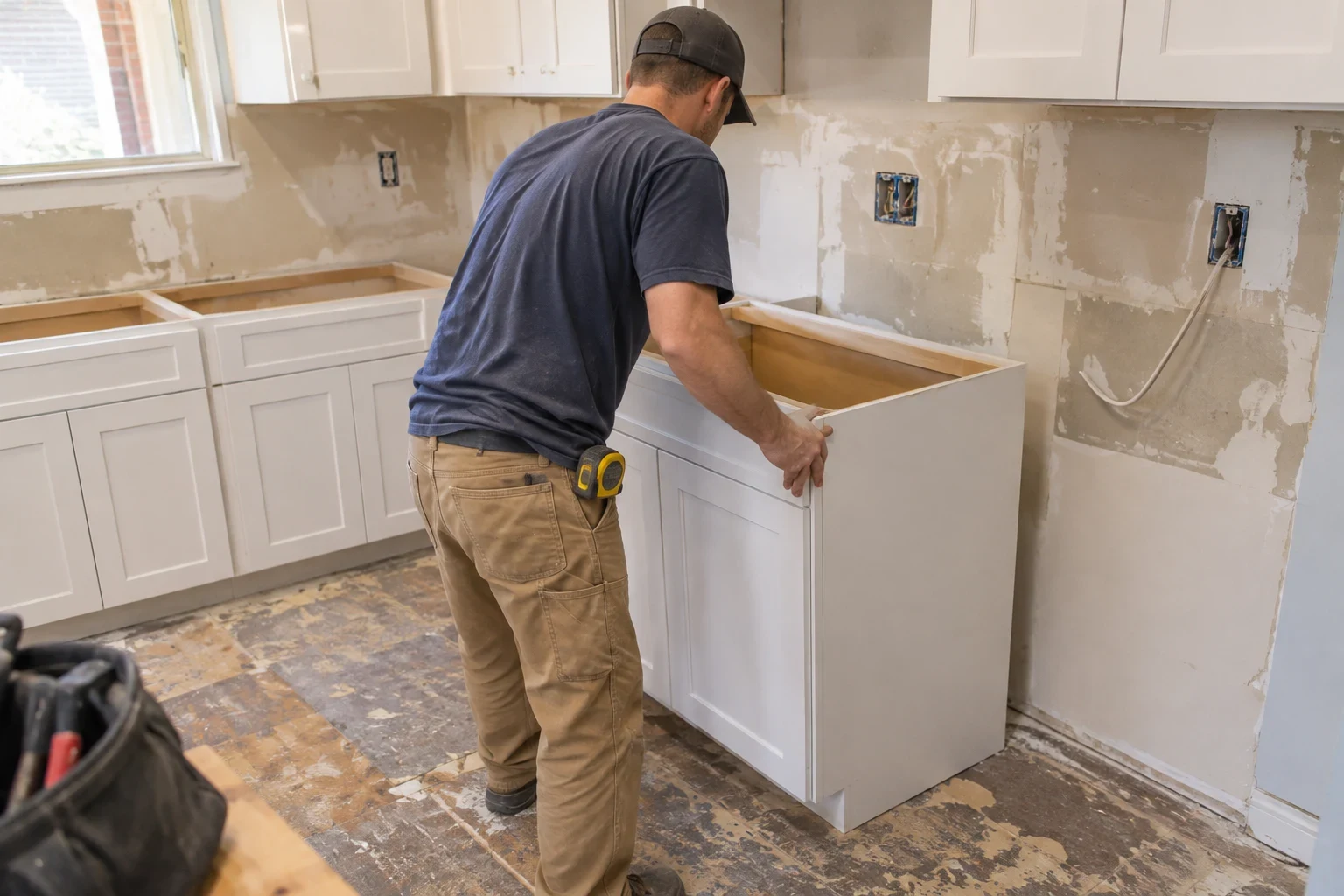
A remodel for the house you already have
Home remodeling suits people who like their house and their lot but not how the rooms work anymore. We handle kitchens, bathrooms, opened-up floor plans and room additions. We treat old framing with the same care as new, because the finished room is only as sound as what holds it up.
Timing shapes a remodel more than most people expect. Anything that opens the house to the outside, like a roof tie-in for an addition or a wider wall opening for new windows, we plan for the drier, milder stretches of spring and fall. Interior trim, tile and cabinet work fill the humid summer and the short winter. Your home is closed up and weathertight before the season turns.
Many houses around Gastonia were built decades ago. Older wiring, plumbing and undersized framing often turn up once walls come down. When we find something, we show you photos and explain what it means before anything changes in the plan.
What our remodeling work covers
- Kitchen remodels
- New cabinets, counters and layouts, plus the parts you never see. That means dedicated circuits for modern appliances, properly vented range hoods and plumbing moved to where the sink actually belongs.
- Bathroom remodels
- We waterproof behind tile and under shower pans before a single tile goes up. Exhaust fans are sized to clear the moisture of a long, humid summer, which is what keeps paint and grout from failing early.
- Opened floor plans
- Taking out a wall is a structural decision first and a design decision second. If a wall carries load, we install a correctly sized beam and posts that bear down to the foundation, and we pull the permit.
- Room additions
- An addition needs its own footing, framing and a roof that ties cleanly into the old one. We coordinate the base through our foundation work and match the exterior through siding installation, so the seam between old and new is hard to find.
- Finish details
- Trim, paint and new floors carried through so the remodeled rooms meet the rest of the house without awkward transitions. Our flooring installation crew handles the floors as part of the same schedule.
Signs a remodel is the right call
The floor plan works against you
A closed-off kitchen, a hallway that eats square footage, or a bedroom you walk through to reach another. Moving a wall often fixes what new furniture never will.
Soft floors near the tub or toilet
Give underfoot usually means water has been reaching the subfloor for a while. Left alone, it spreads into joists and the repair grows.
Breakers trip in the kitchen
Kitchens wired for a toaster and a coffee pot struggle with today's appliances. A remodel is the natural time to add the circuits the room needs.
A bathroom that never dries out
Peeling paint, musty smells and mildew on the ceiling point to poor ventilation and sometimes failed waterproofing behind the walls.
You need more room but want to stay
If you like your lot and your neighbors, an addition or a reworked layout can give you the space without a move.
How a remodel runs with us
- 1
Project consultation
It starts with a phone call, then a walkthrough at your house. We look at the rooms, the framing we can see, and what you want the space to do.
- 2
Written scope and season-aware schedule
You get a line-item estimate and a schedule that places exterior and structural work in the mild months. You know what is included and what is not before you decide.
- 3
Permits and protection
We pull the permits the work requires. Before demolition, we cover floors, seal off the work area with dust barriers and plan a clear path in and out.
- 4
Build and inspections
Demolition, framing, then electrical and plumbing rough-ins, each inspected before walls close. Insulation, drywall, cabinets, tile and trim follow in order, and we keep you updated as each stage wraps up.
- 5
Final walkthrough and cleanup
We walk the finished space with you, note anything that needs a touch-up and take care of it. The site is cleaned and the dust barriers come down last.
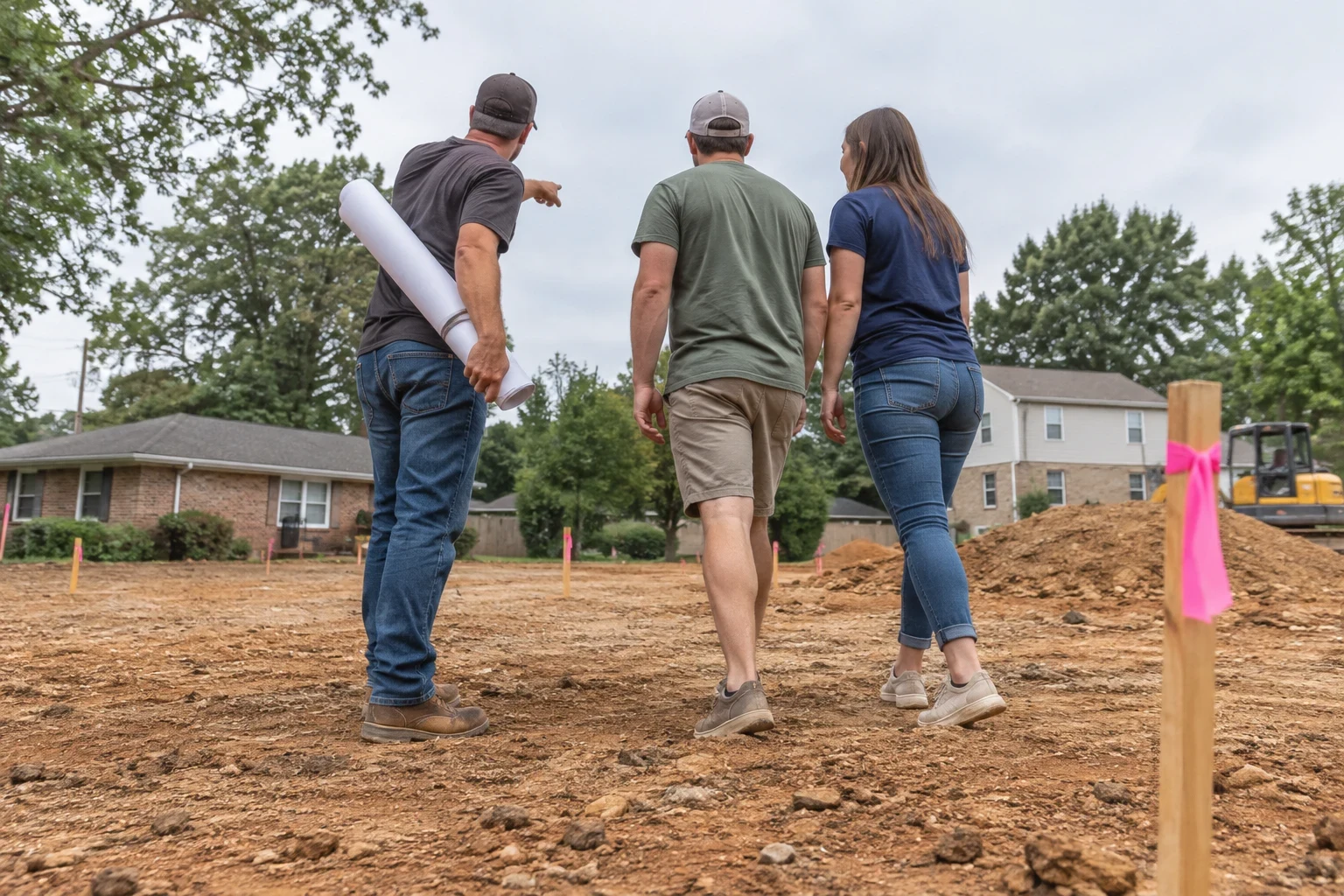
Where the cost of a remodel comes from
Two remodels with the same footprint can land far apart on price. The biggest swings come from the scope of the change, the condition behind the walls and your material picks. Each one gets a separate line on your written estimate, so you can follow the money and see where the choices are yours.
- Scope of the change and structural work
- Refreshing a room in its existing layout costs much less than shifting walls, plumbing or gas lines. Pulling out a load-bearing wall adds a beam, posts and engineering to the work.
- Conditions behind the walls
- Rotted wood, outdated wiring or undersized joists can change the job once they are uncovered. Anything visible up front is in the first price, and anything new gets photographed before it goes on the estimate.
- Finish level and material choices
- Cabinet construction, counter material, tile and fixtures move the total more than any other selections. We will show you where a mid-range pick wears as well as a premium one.
- Permits and inspections
- Any structural, electrical or plumbing change carries permit requirements and inspections, which affect both the cost and the schedule.
- Season you start
- Additions and new openings in exterior walls go fastest when the weather is mild and dry. A start in the wrong season can mean extra weather protection and delays, so we plan the timing with you.
Before you start a remodel
Something not covered here? (704) 753-8229
Will we have to move out while the work is going on?
Most families stay put. Dust barriers close off the rooms we are working in, floor protection runs along the path our crew uses, and the work area is cleaned at the end of every day. A full kitchen remodel does take that room out of use for a few weeks, so we help you set up a temporary kitchen somewhere else in the house.
What time of year is best for starting a remodel?
That depends on what the project involves. Room additions and any work that opens the roof or exterior walls go best in spring or fall, when the weather tends to be milder and drier. Interior remodels carry on comfortably through summer and winter, and that is often when we put them on the calendar.
Who takes care of permits and inspections?
We do. We pull the permits your project requires and line up the inspections at each stage. No wall gets closed until the rough-in work behind it has passed.
Can you take on projects across the state line?
Yes. Towns like Clover fall within our area, along with Gastonia, Belmont, Cramerton and Mount Holly. Mention your address on the phone and we will confirm it.
What happens if we find hidden damage once the walls are open?
We stop work on that section and document what we found. You get photos of the rot, wiring or framing problem, a plain explanation of what it means and the repair options laid out next to each other. Nothing is added to the project until you approve it in writing.
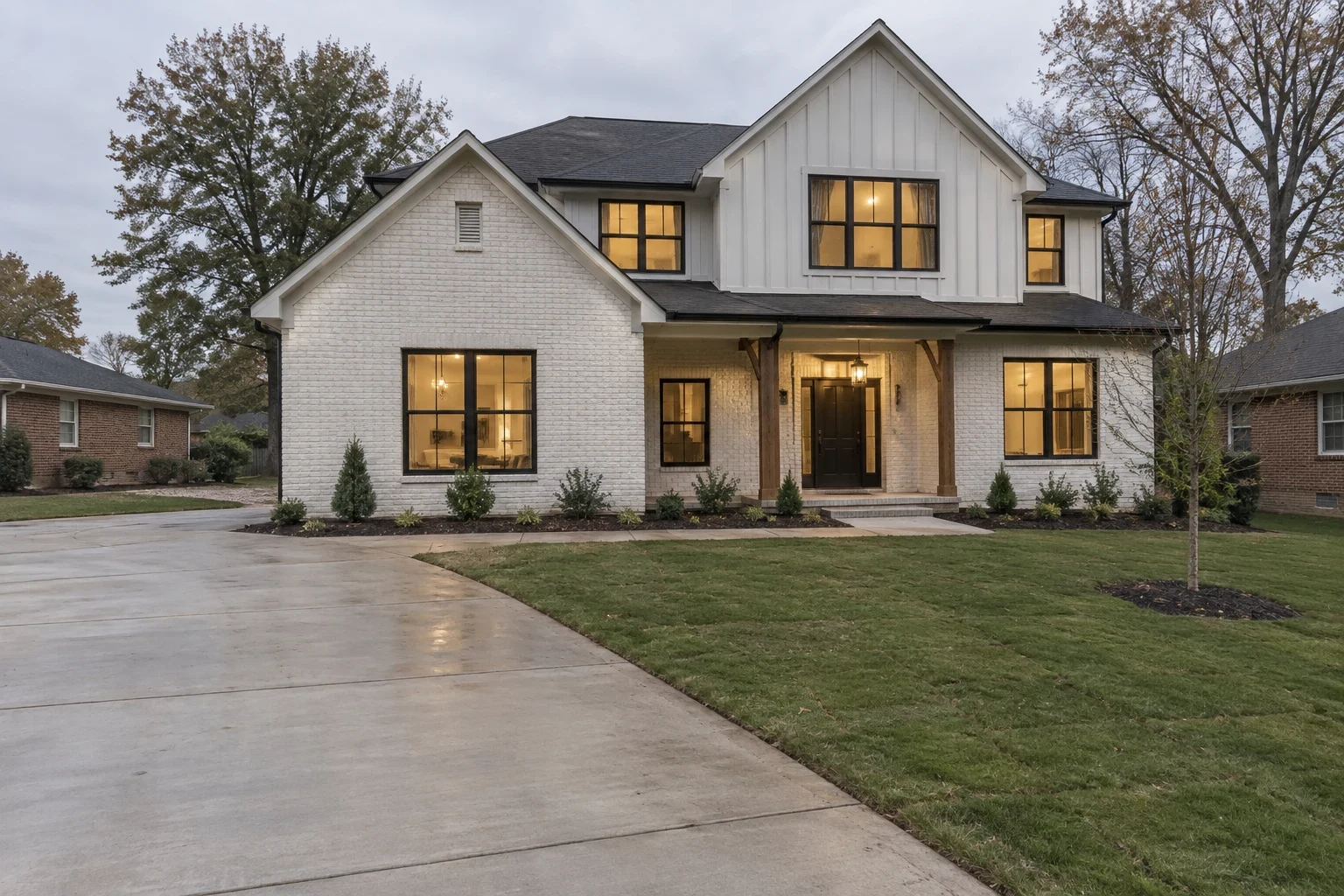
Plan your remodel before the next season turns
Tell us which rooms are not working and what you would change. We will walk through your house, talk through the options and set a schedule that keeps your home closed up when the weather shifts.